
How Mold Remediation Works, Step by Step: A Guide for Beverly Hills Homeowners
Finding mold in your home raises a lot of questions. Is it dangerous? Do you need testing? Will the crew tear out half the house? This guide explains what professional mold remediation looks like from first inspection to final clearance, so you know what to expect and what to ask. It is written for Beverly Hills homeowners, but the process is the same across Los Angeles.
What is the difference between mold removal and mold remediation?
Mold spores exist naturally, indoors and out, so no one can make a home “mold-free.” Remediation means bringing mold back to normal background levels, removing contaminated materials and, most importantly, fixing the moisture problem that allowed it to grow. If the moisture source is not fixed, mold returns.
Step 1: How is mold inspected and assessed?
A good assessment starts with the moisture, not the mold. The technician looks for the water source: a plumbing leak, a roof or window leak, condensation, a failed shower pan or poor ventilation. Moisture meters and thermal imaging help show how far the moisture has spread behind surfaces.
The assessment also maps visible growth, notes affected materials (drywall, wood, insulation, carpet) and identifies the HVAC system’s role. From that, the crew writes a scope of work.
Step 2: Do you need mold testing?
Not always. The U.S. EPA notes that if mold is visible, sampling is usually not needed to decide to remove it. Testing can still be useful when:
- You smell a musty odor but cannot see growth.
- You are buying or selling a home and need documentation.
- Someone in the household has health concerns and a doctor recommends it.
- You want independent clearance testing after remediation.
Many homeowners choose an independent assessor for testing so the company doing the work is not grading its own results.
Step 3: Why is containment so important?
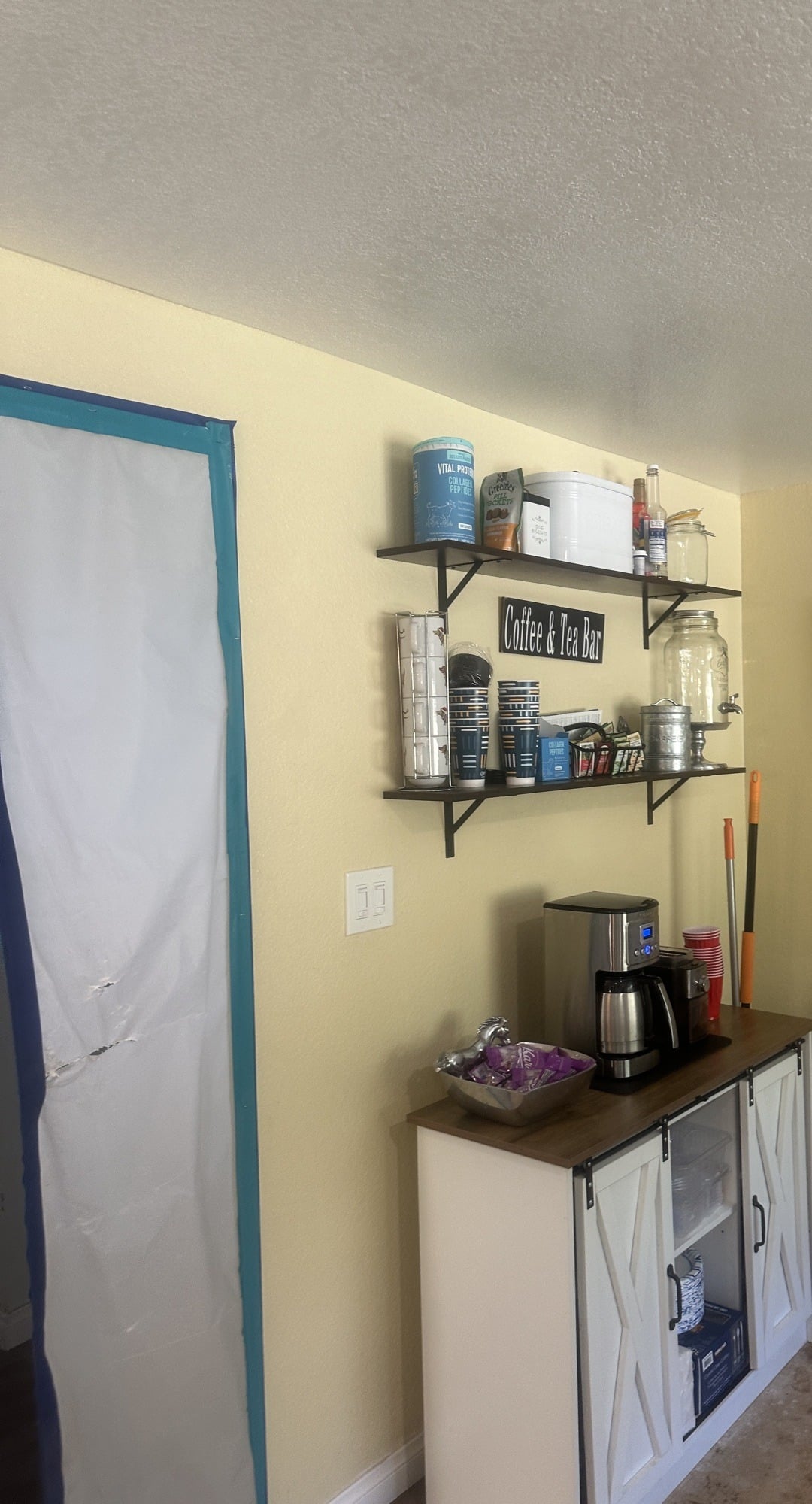
Disturbing mold releases spores. Containment keeps them from spreading to clean parts of the house. Depending on the size of the area, the crew builds plastic barriers with zipper doors, seals vents and uses HEPA air scrubbers to create negative air pressure, so air flows into the work zone instead of out of it. Floors and furnishings along the path are covered and protected.
Step 4: What gets removed and what can be cleaned?
Porous materials with mold growth, such as drywall, insulation and carpet pad, are generally removed and bagged inside the containment. Semi-porous and non-porous materials like framing, concrete and hard surfaces can often be cleaned. Work typically follows the IICRC S520 standard for professional mold remediation, which focuses on physically removing growth rather than just spraying it.
This is why “just spray bleach on it” is not a fix. Bleach can lighten the color of mold on surfaces without removing it, and it does not reach growth inside porous materials.
Step 5: How is the area cleaned and dried?
After removal, surfaces are HEPA-vacuumed and wiped down. Framing may be sanded or wire-brushed. Air scrubbers keep running to capture airborne spores. If materials are still damp, drying equipment brings them to dry standard before anything is closed up.
Step 6: How do you know remediation worked?
Clearance usually includes a visual inspection (no visible growth or dust), moisture readings showing materials are dry and, if you choose, post-remediation air or surface testing by an independent assessor. Only after clearance should walls be closed and finishes replaced. Our rebuild and reconstruction team can handle the put-back work.
Does homeowners insurance pay for mold remediation?
It depends on the cause. Mold that results from a sudden, covered water loss, like a burst pipe, is often included in that claim, sometimes with a mold sublimit. Mold from long-term leaks, humidity or deferred maintenance is commonly excluded. Read your policy’s mold language and ask your adjuster before work starts.
How do you choose a mold remediation company?
- Ask whether they follow IICRC standards and how they build containment.
- Ask how they will find and address the moisture source.
- Ask for a written scope that lists what will be removed and cleaned.
- Ask whether they work with your insurance company.
77 Rapid Restore is licensed, bonded and insured, IICRC-certified and Cal/OSHA bloodborne pathogens certified. Fast response, and we bill your insurance company directly. Read more about our mold remediation services and our work in Beverly Hills.
Mold remediation FAQ
Can I remove a small patch of mold myself?
The EPA suggests homeowners can often handle small areas, roughly under about 10 square feet, if they use protection and fix the moisture. Larger areas, mold in HVAC systems or mold after contaminated water are better left to professionals.
How long does mold remediation take?
It depends on the size of the affected area, how much material must be removed and drying time. Your contractor should give you an estimate after the assessment.
Will remediation damage my finishes?
Only affected materials should be removed. Containment and floor protection are there to protect the rest of your home.
Found mold in your Beverly Hills home? Call 77 Rapid Restore at (747) 281-3872.
Leave a Reply